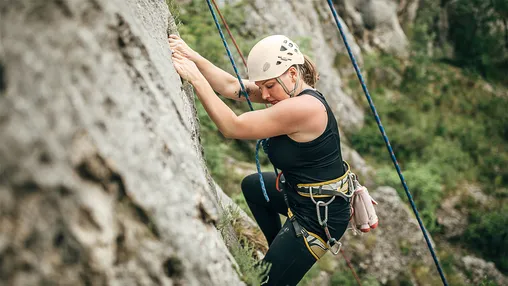
Rock climbing is often associated with adrenaline, risk, and extreme sports culture. While the thrill is real, it is only part of the picture. Rock climbing is one of the most comprehensive physical and mental activities available, combining strength, coordination, focus, and strategic thinking. Its benefits extend far beyond fitness, making it especially valuable for people who rely on concentration, emotional control, and disciplined decision-making.
Full-Body Strength Without Monotony
Unlike traditional gym workouts that isolate muscle groups, rock climbing activates the entire body simultaneously. Every movement requires coordination between the upper body, core, and lower body.
Climbers develop functional strength rather than bulk. Grip strength, forearms, shoulders, back, hips, and legs all work together, improving real-world physical capability. This balanced activation reduces muscular imbalances and lowers injury risk compared to repetitive machine-based training.
Core Stability and Balance Under Pressure
Core engagement is constant in climbing. Maintaining body tension on the wall requires deep stabilizing muscles to stay active throughout each move.
Balance plays a critical role, especially on technical routes where foot placement matters more than raw strength. Over time, climbers develop exceptional proprioception—the ability to sense body position—which improves posture, coordination, and movement efficiency in everyday life.
Cardiovascular and Endurance Benefits
Although climbing does not resemble traditional cardio, it significantly elevates heart rate. Sustained routes and repeated climbs challenge cardiovascular endurance, especially when rest periods are limited.
Climbing also trains muscular endurance. Holding positions, gripping small holds, and maintaining tension over time builds fatigue resistance, which translates into better stamina across other sports and daily activities.
Mental Focus and Problem-Solving Skills
Every climbing route is a puzzle. Success depends on reading the wall, planning sequences, and adapting when a move does not work as expected.
Decision-Making Under Physical Stress
Climbing forces decisions to be made while under physical strain. This trains the brain to remain calm, focused, and analytical even when fatigued. These skills are directly transferable to high-pressure environments where clear thinking matters.
Climbers regularly practice:
- Evaluating multiple options quickly
- Adjusting strategy mid-route
- Managing fear and hesitation
This combination strengthens mental discipline and cognitive flexibility.
Stress Reduction and Emotional Control
Climbing demands full presence. External worries fade because attention must stay on movement, balance, and breathing. This creates a strong mindfulness effect similar to meditation, but with physical engagement.
Exposure to controlled risk also improves emotional regulation. Climbers learn to manage fear rather than avoid it, which builds confidence and reduces anxiety over time.
Bone Density and Joint Health
Weight-bearing activity is essential for maintaining bone density, and climbing delivers it in multiple directions. Unlike running, which applies repetitive impact, climbing loads joints through controlled movement.
This multidirectional loading strengthens connective tissue and supports long-term joint health. Proper technique and gradual progression make climbing suitable for a wide age range when practiced responsibly.
Social Engagement and Motivation
Climbing gyms and outdoor communities naturally encourage social interaction. Climbers share beta, spot each other, and celebrate progress together.
Why Social Training Improves Consistency
Social environments increase accountability and motivation. People are more likely to train regularly when progress is shared and supported. This consistency amplifies the long-term physical and mental benefits of the activity.
Transferable Skills for Strategic Thinking
Rock climbing is fundamentally about risk assessment. Climbers constantly evaluate hold quality, body position, and fall potential before committing to a move.
This habit of calculated risk mirrors decision-making in sports analysis and betting. Assessing probability, managing exposure, and staying composed under uncertainty are skills refined on the wall.
Injury Prevention Through Controlled Progression
When approached correctly, climbing has a low injury rate. Structured warm-ups, proper technique, and gradual difficulty increases protect tendons and joints.
Listening to the body and prioritizing recovery are essential. Climbers who follow these principles often maintain long-term training without chronic issues.
Why Rock Climbing Fits a High-Performance Lifestyle
For people involved in casino strategy, sports betting, or analytical decision-making, physical and mental performance are tightly connected. Fatigue, stress, and poor focus directly impact judgment.
Rock climbing improves strength, endurance, focus, and emotional control simultaneously. It trains the body while sharpening the mind, offering a rare combination of benefits in a single activity.
What begins as a thrill quickly becomes a performance tool. With consistent practice, rock climbing supports sharper thinking, better stress management, and long-term physical resilience.
About the Author