What Hotel Guests Are Actually Allowed to Take Home
admin_icdoto820 on 07 February, 2026 | No Comments
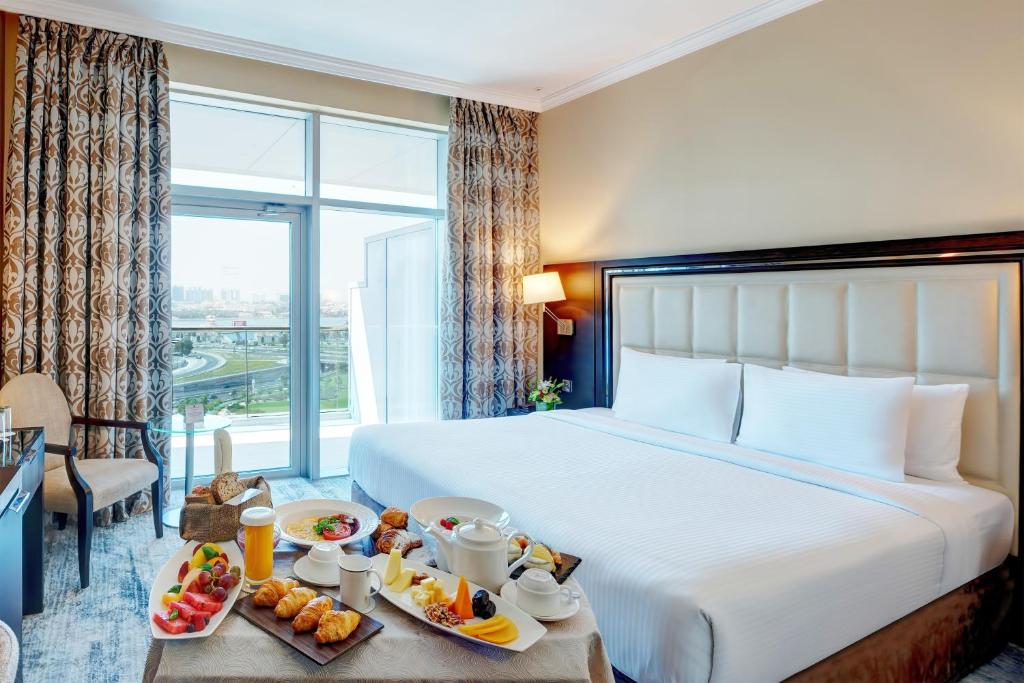
Staying at a hotel often comes with small comforts that feel complimentary. Toiletries, slippers, snacks, and branded items are placed conveniently in the room, which can blur the line between what is included and what belongs to the hotel. According to etiquette experts, most confusion comes from misunderstanding intent, not dishonesty. Knowing the rules helps travelers avoid awkward situations, surprise charges, or damaged reputations.
The General Rule Most Hotels Follow
The simplest guideline is this: if an item is intended for single use, it is usually acceptable to take it. If it is designed for repeated use by future guests, it should stay in the room.
Hotels price consumables into the room rate. Reusable items are assets, not souvenirs. Problems arise when guests assume that visibility equals permission.
Toiletries and Personal Care Items
Small toiletry bottles are the most commonly taken items—and in most cases, they are meant to be taken. Hotels expect guests to use or remove them.
Items typically considered acceptable include:
- Shampoo, conditioner, body wash, and lotion
- Soap bars and disposable hygiene kits
- Shower caps and vanity kits
If the toiletries are full-sized, refillable, or mounted to the wall, they are not intended to leave the room. Removing them may result in a charge.
Slippers, Robes, and Linens
Slippers are usually disposable and intended for guest use beyond the stay. Bathrobes, however, depend on hotel policy.
When Robes Are Not Complimentary
In many hotels, robes are provided for use during the stay only. They are laundered and reused. Some properties sell them and will charge the guest automatically if a robe is removed. Towels, blankets, and pillows always fall into the “do not take” category.
Checking the hotel’s information card or website is the safest way to confirm robe policy.
Mini Bar Items and In-Room Snacks
Mini bars are monitored closely, often with sensors. Anything removed is typically charged, even if it is replaced later.
In-room snacks outside the mini bar are different. Some hotels provide complimentary coffee, tea, bottled water, or welcome treats. Others charge for everything.
The key distinction is labeling. If pricing is listed anywhere—on a menu, card, or TV screen—the item is not free.
Stationery, Notepads, and Pens
Branded stationery exists partly for marketing. Hotels expect some of it to leave with guests.
Acceptable items usually include:
- Notepads
- Branded pens or pencils
- Postcards or brochures
Higher-quality items, such as leather folders, desk organizers, or decorative books, should remain. If an item looks durable or decorative rather than practical, it is not meant to be taken.
Electronics and Room Equipment
Electronics are never complimentary, regardless of size or perceived value. This includes alarm clocks, tablets, speakers, remote controls, hairdryers, kettles, and chargers.
Why Small Items Still Matter
Some guests assume that inexpensive electronics will not be missed. Hotels track inventory closely, and missing equipment disrupts room readiness. Removing these items almost always leads to additional charges and can flag a guest profile.
Casino Hotels and High-Traffic Properties
Casino hotels often host guests for short stays tied to events, betting sessions, or tournaments. These properties rely on fast room turnover and strict inventory control.
Because of this, casino hotels may be less forgiving about missing items. Mini bars, robes, and room accessories are commonly tracked. What feels like a harmless souvenir can easily appear as theft in these environments.
Gray Areas Guests Often Get Wrong
Certain items cause frequent confusion. These include umbrellas, laundry bags, reusable shopping totes, and decorative pillows. Etiquette experts recommend applying a simple test: would the next guest reasonably expect this item to be there?
If the answer is yes, it should stay.
Hotels often provide reusable bags or umbrellas for temporary use. These are amenities, not gifts.
Consequences of Taking the Wrong Item
Hotels rarely confront guests directly unless the item is valuable. Instead, charges appear after checkout. In some cases, repeated issues can lead to guest blacklisting across hotel groups.
For frequent travelers, especially those visiting casino resorts regularly, maintaining a clean guest record matters. Loyalty benefits and comped stays depend on trust as much as spending.
How to Avoid Awkward Situations
If there is any doubt, ask. Front desk staff can clarify policies quickly. Many hotels will happily sell items guests like, from pillows to robes, at reasonable prices.
When checking out, reviewing the bill carefully helps catch mistakes early. It is much easier to resolve questions before leaving the property.
Etiquette Is About Intent, Not Opportunity
Taking what is allowed is not about exploiting loopholes. It is about respecting shared spaces while enjoying the benefits already included in the stay.
Hotels design rooms to feel generous, but generosity works best when both sides understand the rules. Knowing what is acceptable protects guests from embarrassment and helps maintain positive relationships with properties they may visit again.
For travelers who frequent hotels as part of sports events, casino trips, or betting weekends, good etiquette is part of smart travel strategy.